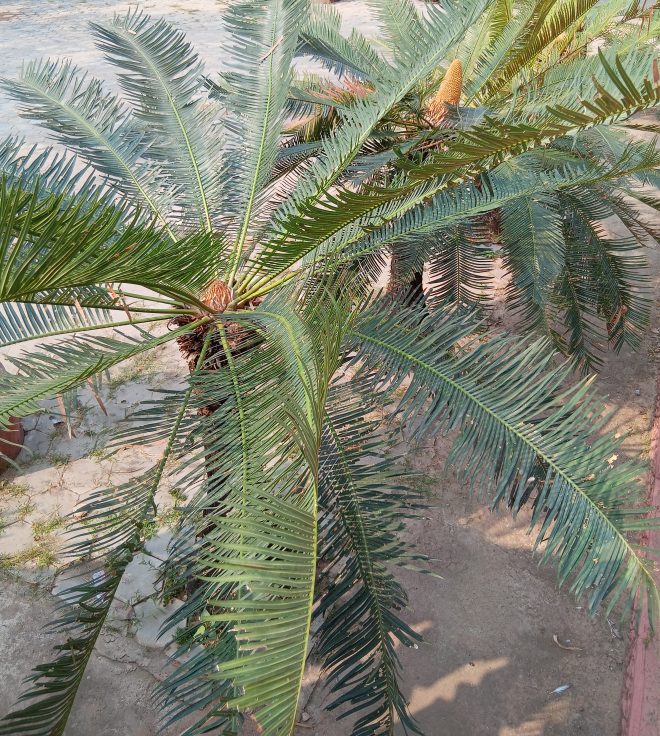
In the book of nature, we often find “hidden” messages that point directly to a Master Designer. A recent study published in Science magazine has uncovered one such marvel: Palm-like plants called cycads, which reproduce using infrared (IR) signaling.
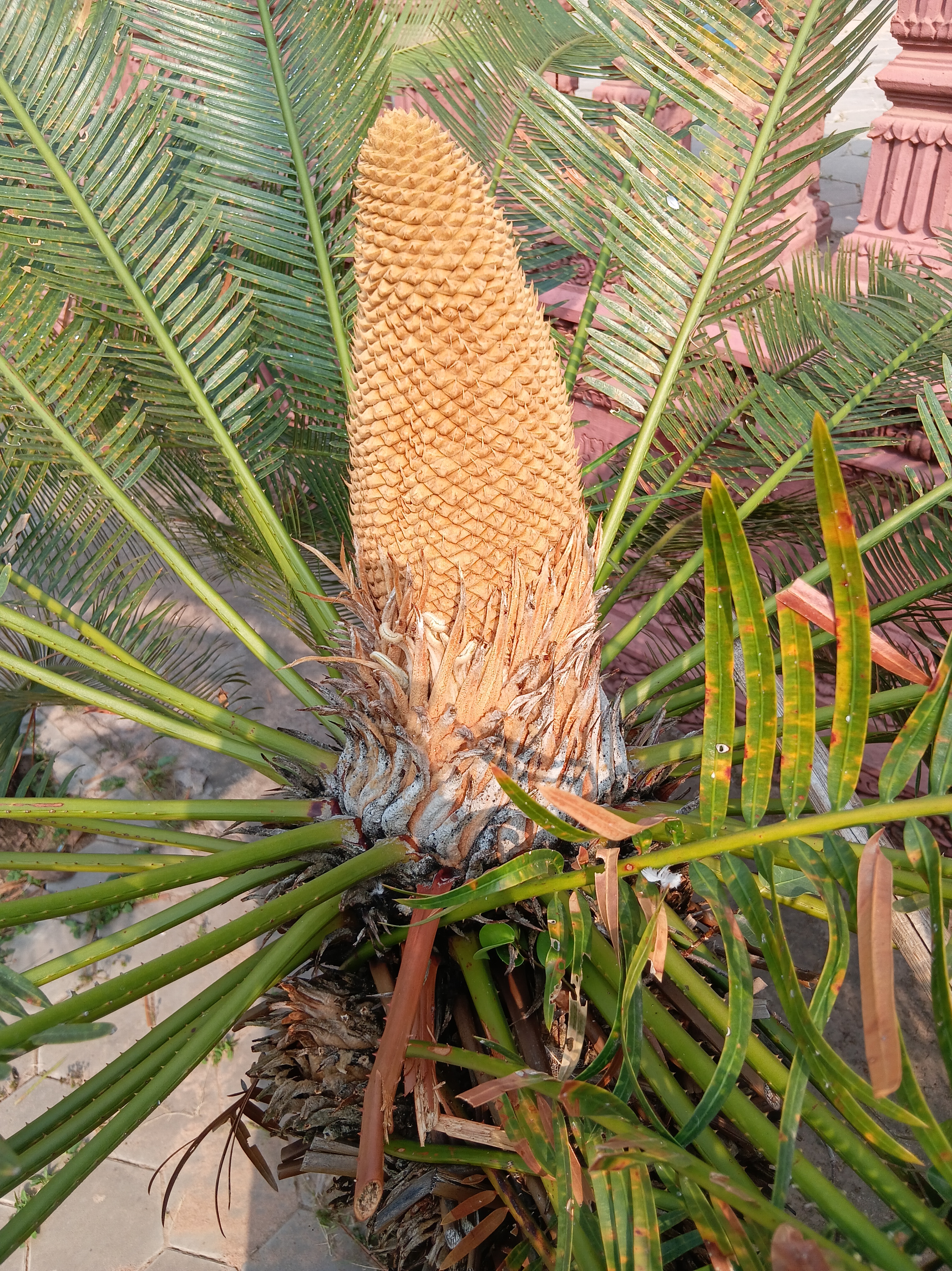
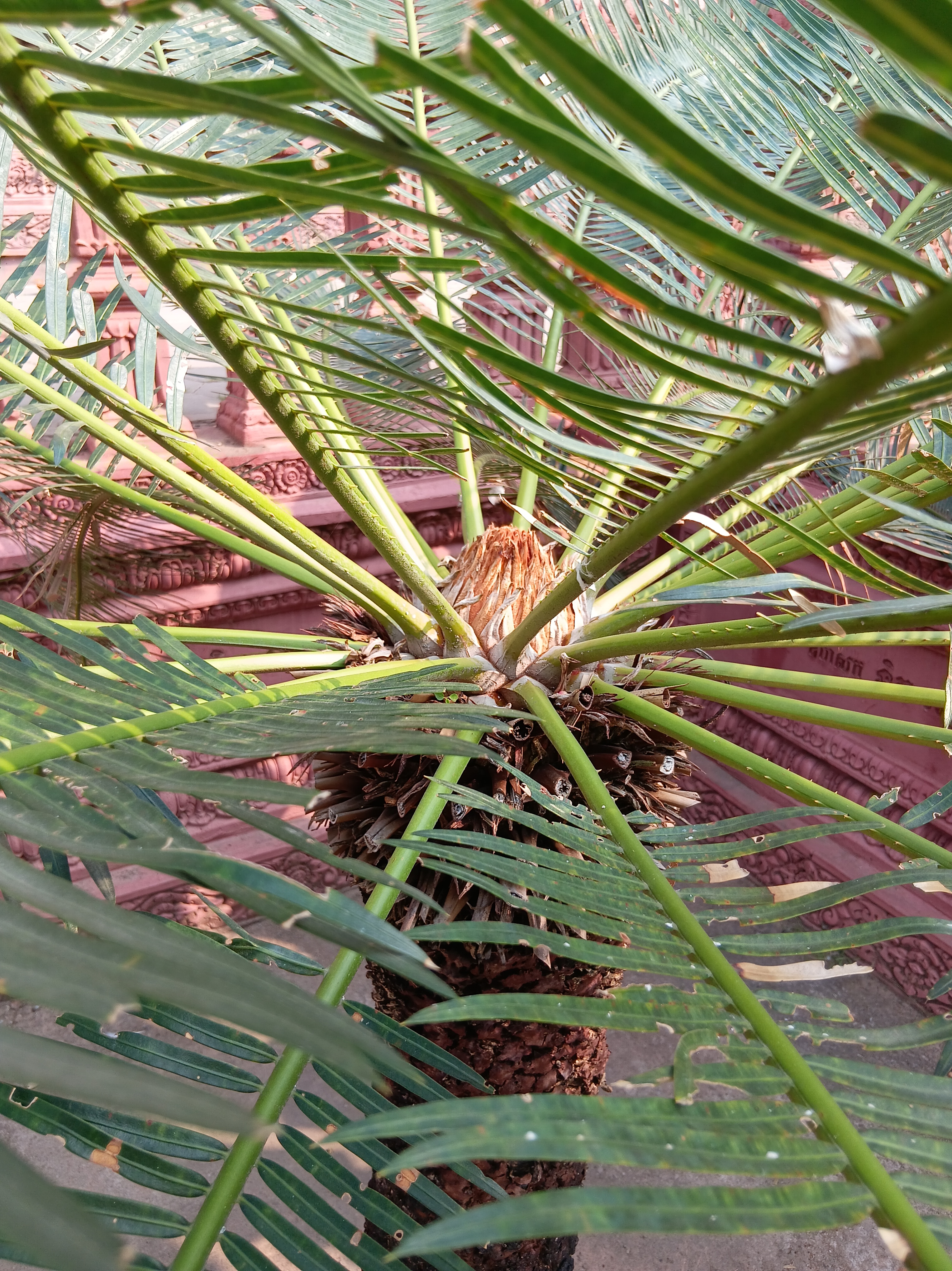
How It Works
Because cycads have separate male and female plants, pollination requires a level of coordination that defies chance. Here is how the Creator engineered this system:
- The Male Signal: Male cycad grow large cones. When their pollen is ready, in the late afternoon as the sun begins to set, the mitochondria in the cones’ cells switch from producing ATP (used to energize cellular processes) and start producing pure heat. The burst of infrared radiation / heat raises the male cones’ temperature up to 15°C (27°F) above the surrounding air! This acts like a beacon for pollinators.
- Beetle Pollinators: Specially designed beetles (e.g., certain sap beetles or long-snouted brown weevils), equipped with specialized infrared-activated thermal sensors in their antennae, detect this heat and fly to the male plant to forage, often landing on the cone.
- The Hand-Off: Precisely three hours after the male cone begins thermally radiating, heat production is turned off, and the beetles, covered in pollen, leave looking for warmth. Shortly before this, the female plant remarkably “turns on” its heat production, such that the temperature peaks right as the male cones begin cooling down. This draws the pollen-laden beetles to the female cones to complete the fertilization process.
Engineering that Defies Evolution
Evolutionary theory struggles to explain how such a codependent relationship could arise gradually. For this system to work, three things had to exist at the exact same moment:
- The plant’s ability to generate specific thermal signals.
- The precise timing between male and female plants.
- The beetle’s complex sensory apparatus to detect infrared light.
For this system to work, the male plant, the female plant, and the beetles all have to be “tuned” to the same frequency simultaneously:
- If the female plant heated up too early, the beetles would arrive before they had collected pollen from the males.
- If the female plant heated up too late, the beetles would have already settled elsewhere or lost their pollen.
- If the beetle’s sensors weren’t tuned to the specific infrared wavelength of the cycad’s heat, the signal would be invisible.
Without all three components functioning perfectly from the start, the cycad would have failed to reproduce. This is not the result of millions of years of trial and error; it is the hallmark of Intelligent Design.
Reflection
“Oh, the depth of the riches both of the wisdom and knowledge of God! How unsearchable are His judgments and His ways past finding out!” — Romans 11:33
The intricate infrared sensors of a tiny beetle and the thermal pulses of a cycad remind us that our God is a God of detail. He who fine-tuned the mechanism to sustain cycads for thousands of years is the same God who provides for every detail of our lives.
References
Ito-Inaba, Y., Sato, M., Sato, M. P., Kurayama, Y., Yamamoto, H., Ohata, M., Ogura, Y., Hayashi, T., Toyooka, K., & Inaba, T. (2019). Alternative oxidase capacity of mitochondria in microsporophylls may function in cycad thermogenesis. Plant Physiology, 180(2), 743–756. https://doi.org/10.1104/pp.19.00192
Johnson, K. L. (2019). Turning up the heat: The alternative oxidase pathway drives thermogenesis in cycad cones. Plant Physiology, 180(2), 689–690. https://doi.org/10.1104/pp.19.00443
Tomkins, J. P., & Sherwin, F. (2026, January 8). Infrared Radiation and Pollination Reflects Recent Creation. Institute for Creation Research. https://www.icr.org/article/infrared-radiation-pollination-reflects/
Valencia-Montoya, W. A., Liénard, M. A., Rosser, N., Calonje, M., Salzman, S., Tsai, C.-C., Yu, N., Carlson, J. R., Cogni, R., Pierce, N. E., & Bellono, N. W. (2025). Infrared radiation is an ancient pollination signal. Science, 390(6778), 1164–1170. https://doi.org/10.1126/science.adz1728
 Biblical Lessons from Nature